Collecting Pleo Today
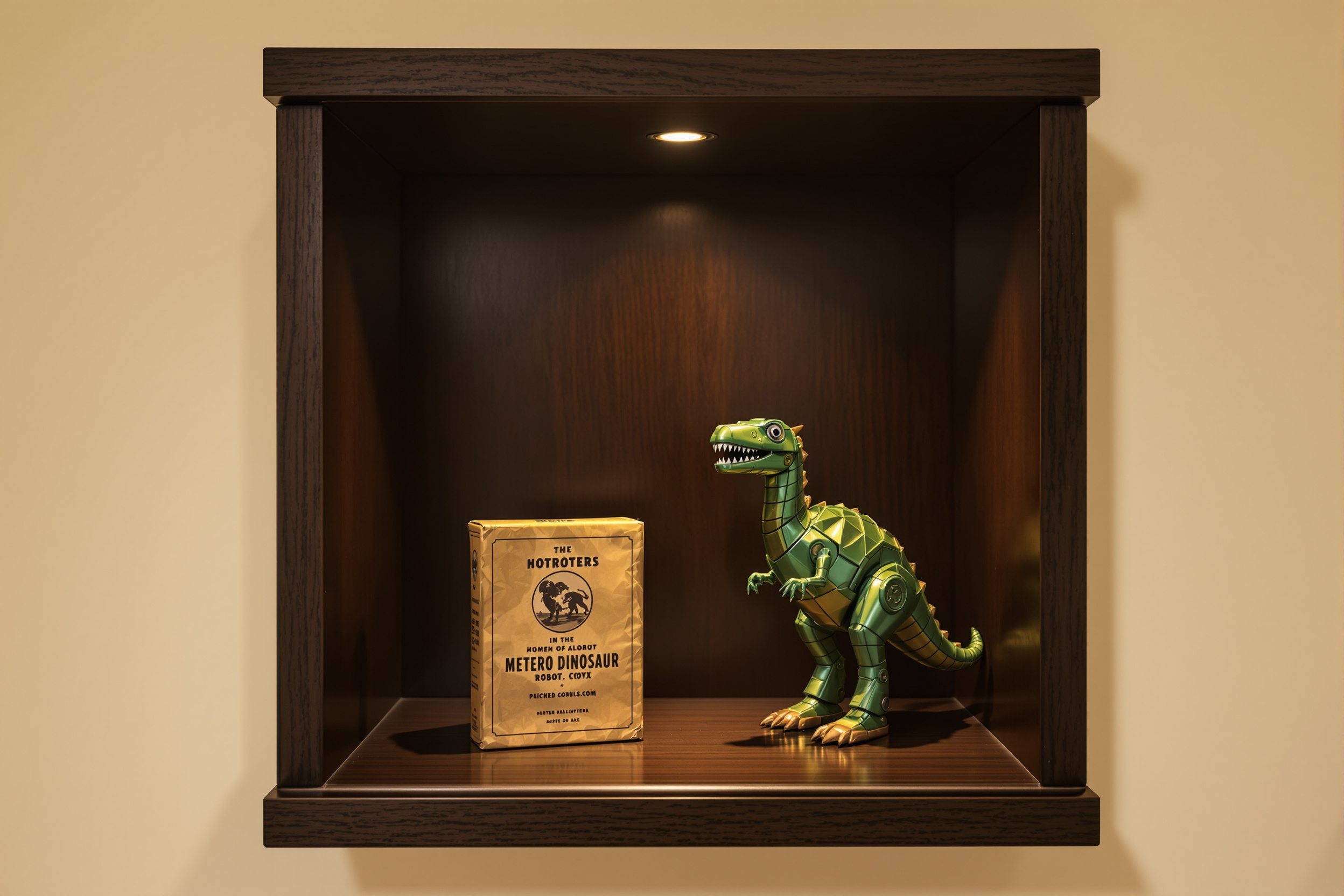
Pleo has quietly become a collectible — a tangible piece of early consumer-robotics history. He's no longer manufactured, so every Pleo in circulation is a survivor. Here's how to think about finding, evaluating, and preserving one.
Why Pleo Is Worth Collecting
Plenty of electronic toys came and went in the 2000s; few are remembered the way Pleo is. He represents a genuine milestone — one of the first mass-market robots designed for emotional companionship rather than commands, from a company that treated "artificial life" as a serious engineering goal. That historical significance, combined with real scarcity and the deep affection of former owners, is exactly the recipe that makes an object collectible. Contemporary robotics history writing still returns to Pleo as a case study, which only adds to his standing.
Know the Two Generations
Before you acquire a Pleo, know which one you're looking at:
- Original Ugobe Pleo (2007–2009) — the launch dinosaur, the one at the center of the media story. The most historically resonant version, and the one most tied to the original "artificial life" moment.
- Innvo Labs "Pleo rb" (c. 2010–2011+) — the "reborn" successor with updated electronics and software. Often more robust as a day-to-day pet, generally easier to find in working order, and frequently the better choice for someone who actually wants to interact with a Pleo.
Neither is strictly "better" — it depends on whether you're chasing the original artifact or a Pleo you can actually keep running. The Pleo reference is handy for confirming which generation a listing describes, since sellers don't always know.
What to Check Before Reviving One
Age is the enemy of any electronic pet. When evaluating a Pleo, look at:
- Battery pack — the number-one issue. Old rechargeable packs lose capacity or die entirely. Budget for a healthy replacement; a Pleo that "won't turn on" is very often just a dead pack, not a dead robot.
- Skin and paint — expect a wear pattern (that's normal and was designed in). Watch instead for tears, hardening, stickiness, or sun-fading from years of storage.
- Motors and gears — listen for smooth, quiet movement. Grinding or a stuck limb suggests a gear or motor problem.
- Sensors — test that he responds to petting (touch), being tilted (orientation), and sound. Unresponsive zones point to sensor or connection faults.
- Feet and joints — check for dust and grit that can throw off his footing.
Our care guide covers the maintenance side in more depth.
Documentation and Completeness
For collectors, what comes with the dinosaur can matter as much as the dinosaur. The original box, the charger, the training leaf, any printed materials, and — for tinkerers — SD cards or custom behavior scripts all add to a Pleo's completeness and desirability. If you're preserving one, keep everything together and photograph it; that documentation is part of the artifact's story and helps the next caretaker.
Where Pleos Turn Up
Because Pleo hasn't been made in years, examples surface only on the secondhand and collector market — passed between enthusiasts, estate finds, and hobbyist communities. Condition and completeness drive desirability far more than any headline price. We don't sell Pleos or endorse any seller; we simply help you know what you're looking at so you can judge a find on its merits.
Preservation Is the Point
Collecting Pleo is really an act of preservation. Every working dinosaur kept blinking, every box saved, every custom script archived, keeps a small landmark of robotics history alive. If you're bringing one home, welcome to the community that never quite let Pleo go — and browse the timeline to place your dinosaur in the larger story.